Some of the Top sights in Tuscany include:
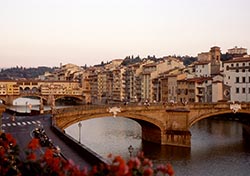
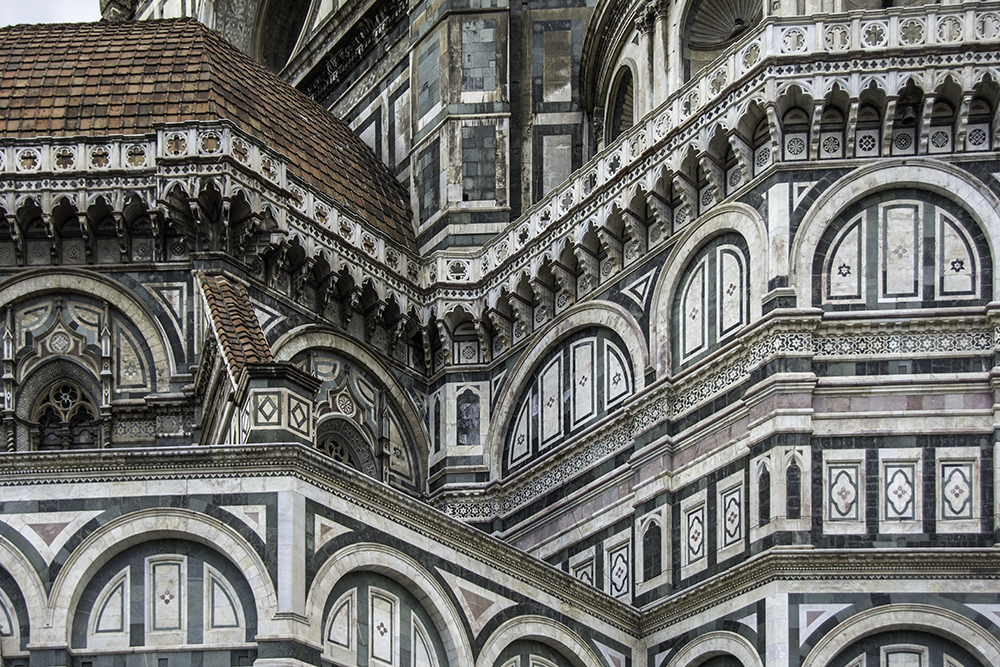
Florence - expect crowds, book museums on-line, but you will enjoy being in the cradle of renaissance. Reports in 2022 describe the city as being almost unmanageable due to the crowds.
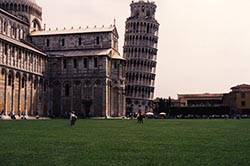
Pisa - this has to be on a list because of the architecture of the Piazza dei Miracoli (Field of Miracles). Yes the leaning tower really leans. But, the last time we were there our enthusiasm fell because of the crowds of tourists. Always recommended is to get away from the Piazza dei Miracoli and visit the old town along the river.
Chianti - with endless routes to drive, enjoy the scene and visit small towns.
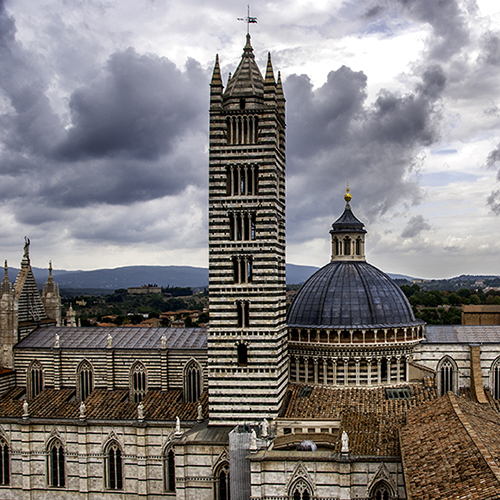
Siena - I think that parking outside of town and walking in has saved the atmosphere. It is a tourist hot spot soy ou will not be alone in the town. You will not forget this town.
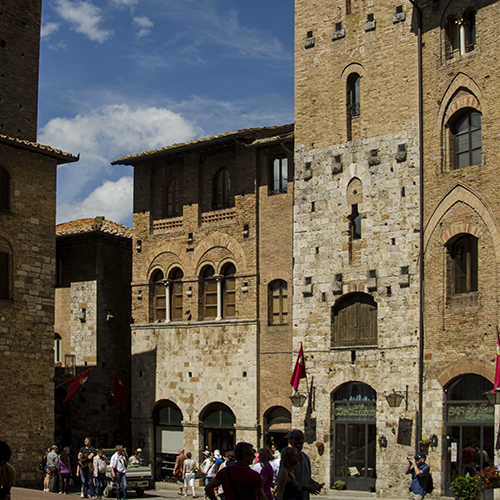
San Gimignano - this is one of the most beautiful hill towns of Tuscany, and also one of the busiest! The days of simply driving up and walking into the town are over. There are a number of parking lots outside the walls, but go early if you want one of those stalls.
Monteriggioni - ten meter high fortified walls along with 14 towers, you have entered medieval Tuscany.
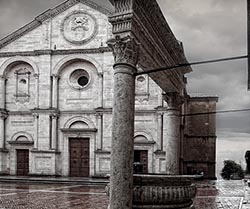
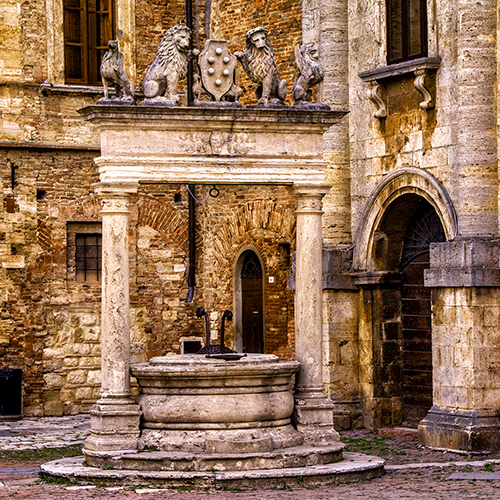
Val d'Orcia - as a photographer this is one of my areas to photograph. It extends from south of Siena to Monte Amina and has famous towns that include Pienza, Montepulciano, Montalcino, Monticchiello, Bagno Vignoni, San Quirico d’Orcia - each one worth a visit.
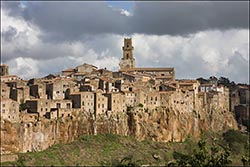
Volterra - this is one of the most beautiful hill towns of Tuscany. Complete with a wall, and a well-preserved past with medieval and Renaissance buildings remaining as well as a Roman theatre and Etruscan sites.
Lucca - a town of a hundred churches, and 16th century walls that are there to be walked.
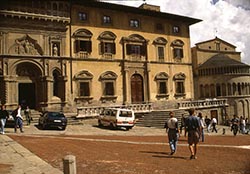
Arezzo - we found this scenic town in a rainstorm and have been back many times.
Tuscany
There is a reason so many people visit Tuscany. The scenery is stunning, the food and wine are excellent and the enjoyment of being in the country remains a long time.
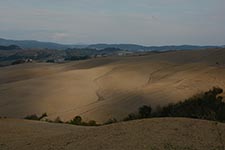
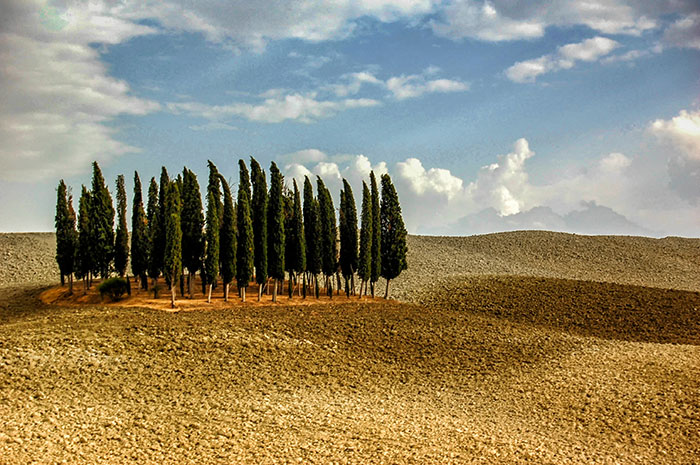
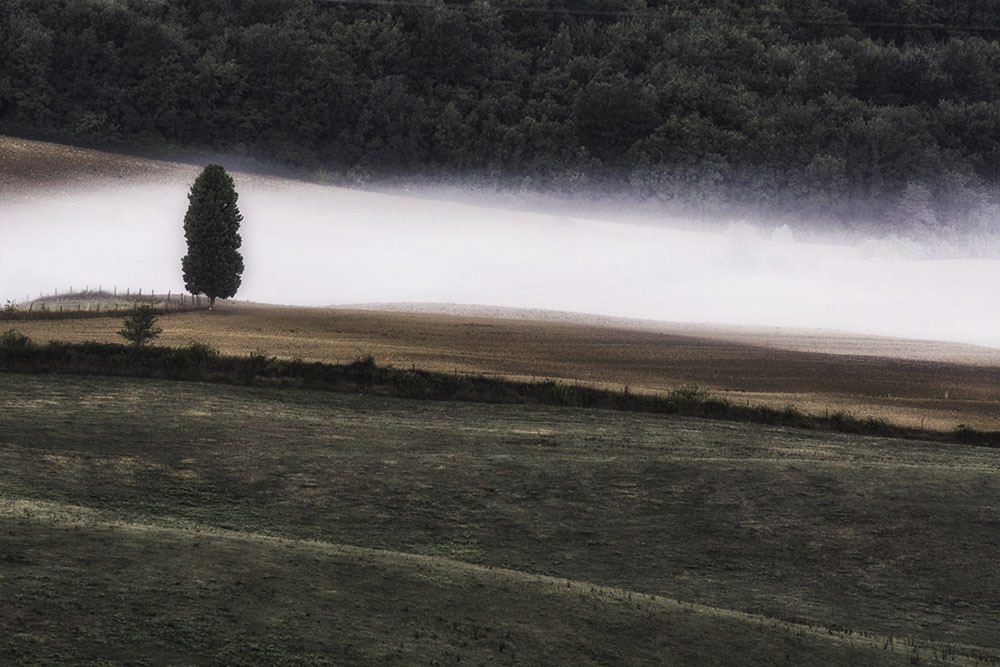
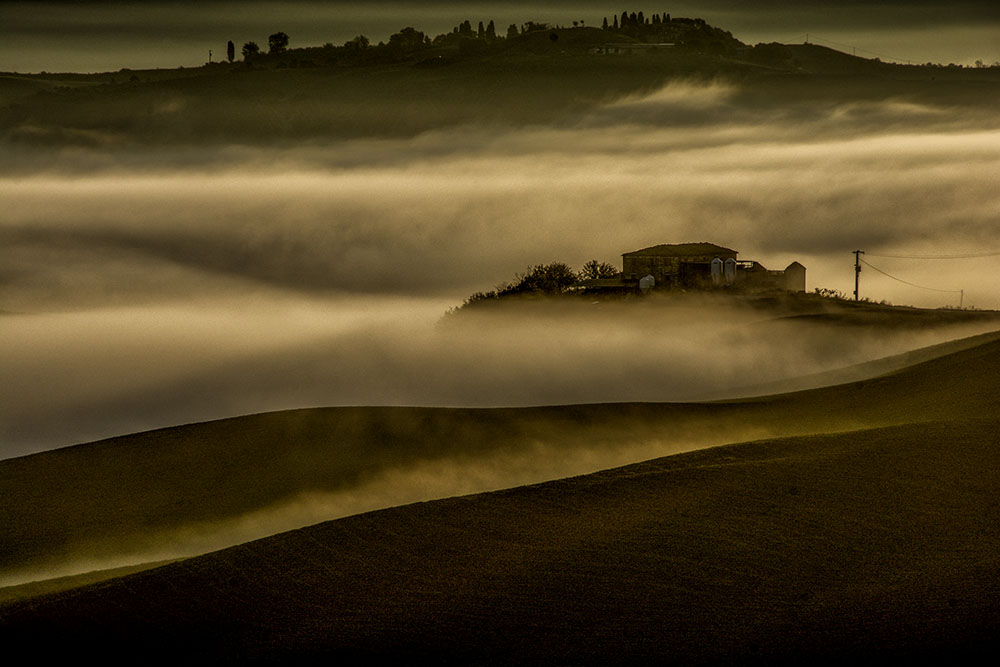
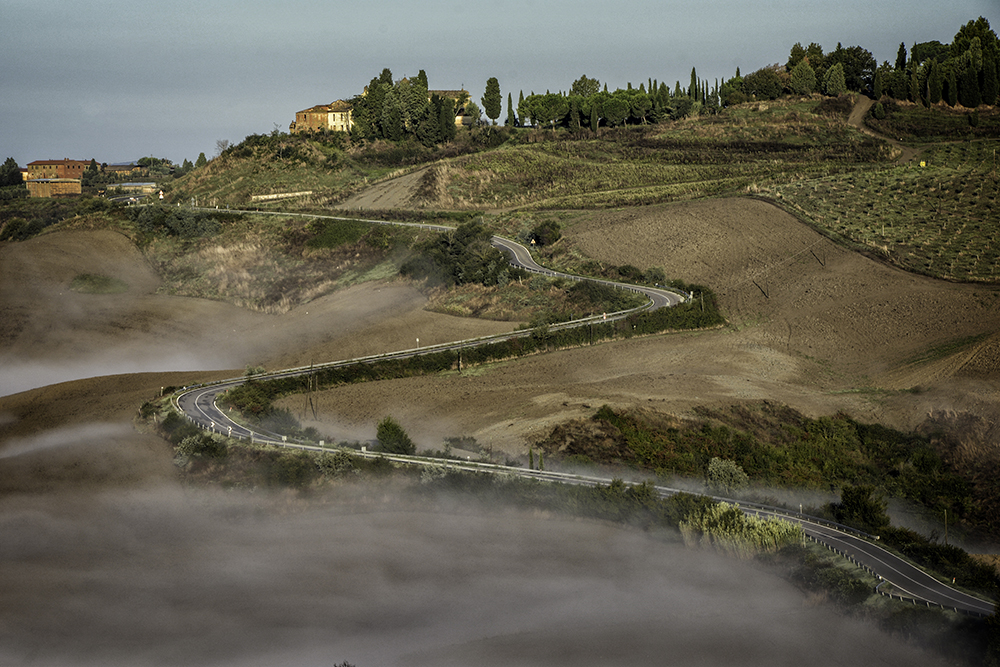
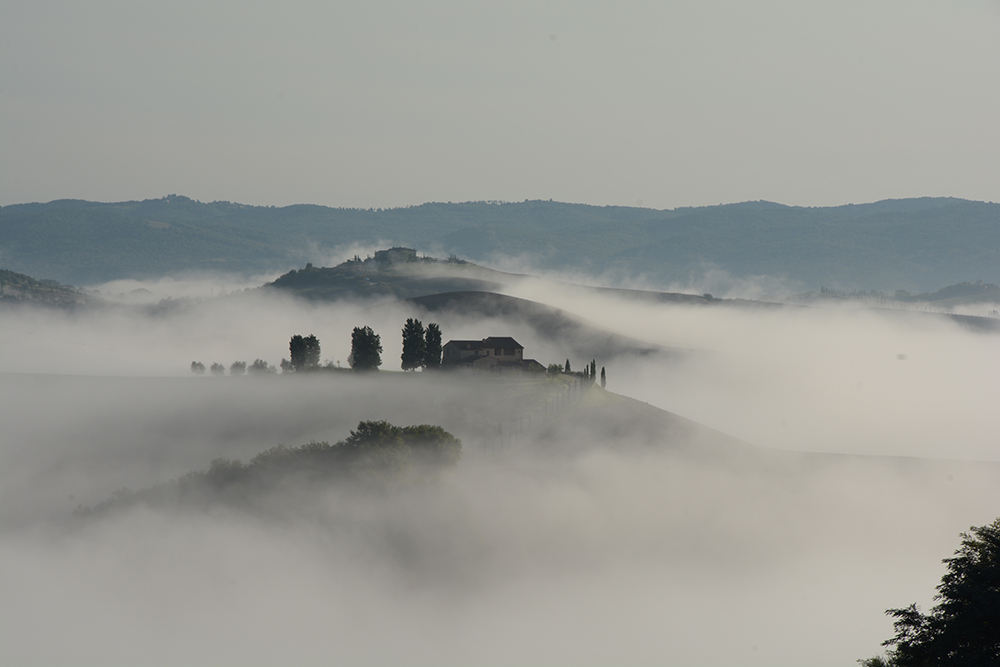
There is no single "Tuscan scene" as the region has a broad variety of topography. The Region includes scenic beaches along the coast, hills covered with olive groves, rolling mountains, cypresses trees along small winding roadways, vineyards around every corner and barren tracks of grey clay south of Siena. The region can be green and lush, or almost desert like. It is a visual treat.

An old article in the travel magazine, Travel + Leisure, recommended taking the time to really travel in Tuscany. Not just quick drives from one location to another, but to explore the Region. The article recommended driving the strade bianche -- the white roads. We took that article to heart and have
We recommend the Michelin series of maps. The various categories of roads clearly standout. The while roads as basically community roads. Some of the more exciting scenes have been on these, but they are not really intended for travelling distances.
The yellow roads are more reasonable, although these are small and will go through every village and town.
The red roads are the National Roads including Autostrada class highways. The Michelin Maps shade the scenic routes in green. Well worth taking one of the scenes routes where that is an option.
Tuscany, as shown in the map to the right, is made up of a number of provinces that include Firenze, Arezzo, Siena etc.
The links below lead to specific pages where we provide information on that particular area of Tuscany. Enjoy!