Sardegna

Suore d'acqua - Sardinia

The Region of Sardinia, jas eight provinces, and in all this is the second largest island in the Mediterranean (Sicily is the largest) is said to be a Mediterranean beauty. Write-ups of the region describe the coastal areas as being heavilyMap of Sardinia touristic - avoid going in August. Away from the coast, the interior " ... takes longer to appreciate and requires you to peel away the layers of apparent ItalianizationInteresting history..".

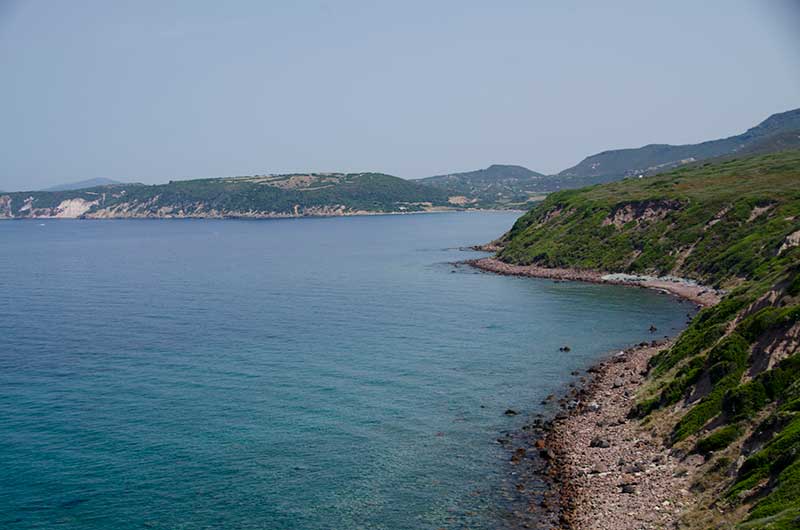
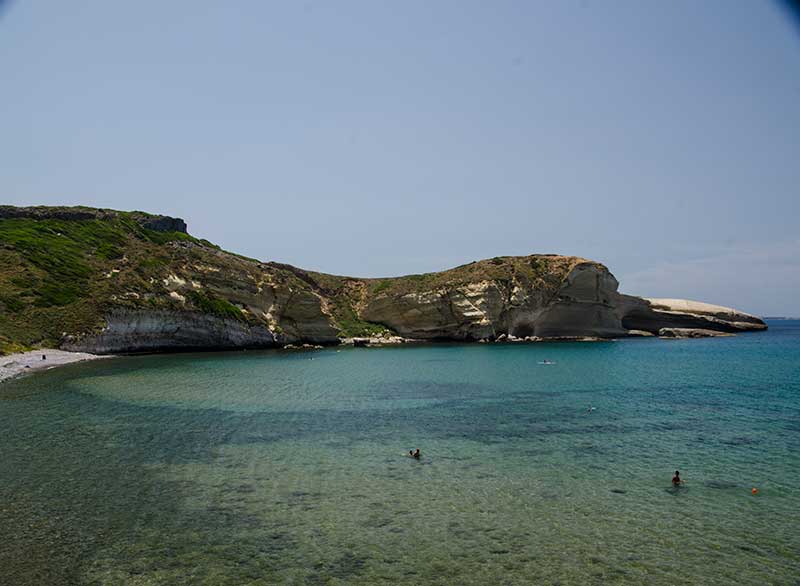
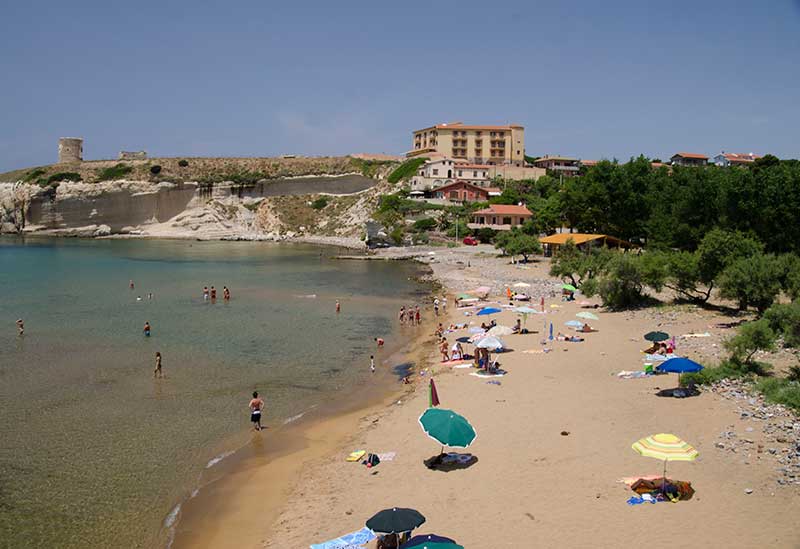
The coasts are described as generally rocky and tall, especially along the Eastern half. The large beaches, for which is the island is famous for, are found on the North and Northeast coasts (Logudoro and Gallura), the South (from Teulada to Pula) and the Southwest (Sulcis-Iglesiente).

It was only in 1950 that Sardinia was able to report there was a single case of malaria during the previous 12 months. This was after an extensive campaign by the Government to rid the island of the disease.

Prince Karim Aga Khan IV invested the Costa Smeralda - the Emerald Coast, and the tourist status of Sardinia has never looked back.

Highlights of the island include:

  • The cathedra in Cagliari
  • The Losa nurag at Abbasanta
  • The Cathedral at Algheero
  • The grotto of Nepture at Capo Caccia
  • The Cathdral at Iglesias
  • The ruins of Tharros
  • Porto Cervo and the Costa Smeralda
  • The islands of Maddalena and Caprerea

The food and drink of the Region is said to be outstanding.

Culurgiones is like Ravioli and made with typical pasta of Ogliastra, with a filling of potatoes, 'Pecorino' cheese (sheep's milk cheese, egg, onion, mint and garlic. Malloreddus are a gnocchi served al dente with a tomato, meat or cheese sauce. Porcheddu is a specialty of inner Sardinia, it's a young pig roasted over a wood fire with an aromatic local shrub called mirto. Stufato di capretto is a casserole of kid goat, artichokes, wine and egg. Sardinian pastry is said to be of note, due to the use of pig lard for fat and honey for sugar.

Wine are a plenty with Cannonau being is a very strong red wine. Beware! Monica di Sardegna is a lighter, more accessible red wine. Mirto is an alcoholic local speciality made of wine spirit flavoured with the berries of mirto, a local shrub. We are very familiar with Limoncello made with lemon rind and served chilled. Vernaccia di Oristano is a high alcoholic wine produced in Oristano zone and is a special wine to drink with pastry.

The jagged north east coast has a series of small fiords, rock-cliffs and islets, that form the Archipelago of La Maddalena, a natural bridge towards nearby Corsica, within which is also found the island of Caprera. It is the territory that is home to the Emerald Coast, a holiday paradise.

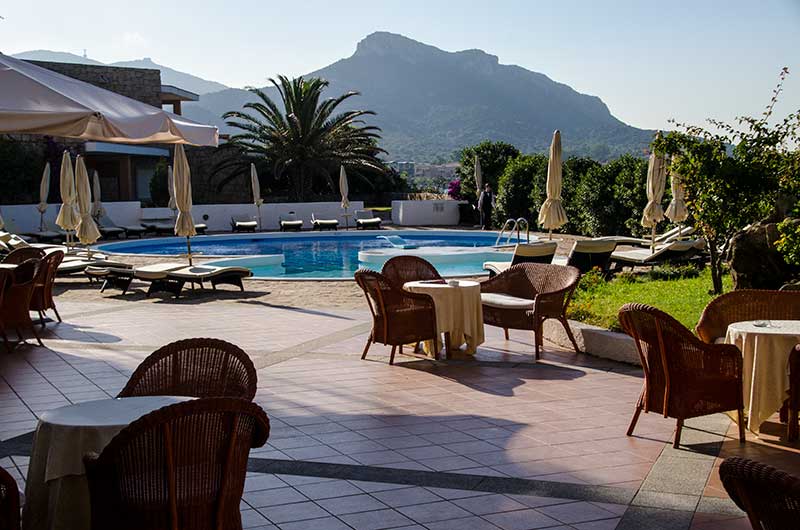
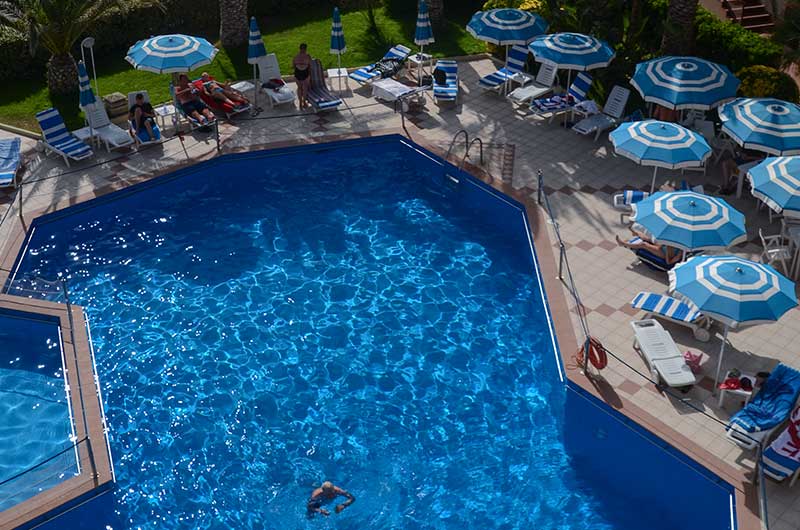
Hotel Gabbiano AzzurroWe have made arrangements to stay at the Hotel Gabbiano Azzurro in Golfo Aranci and the Hotel Florida in Alghero.

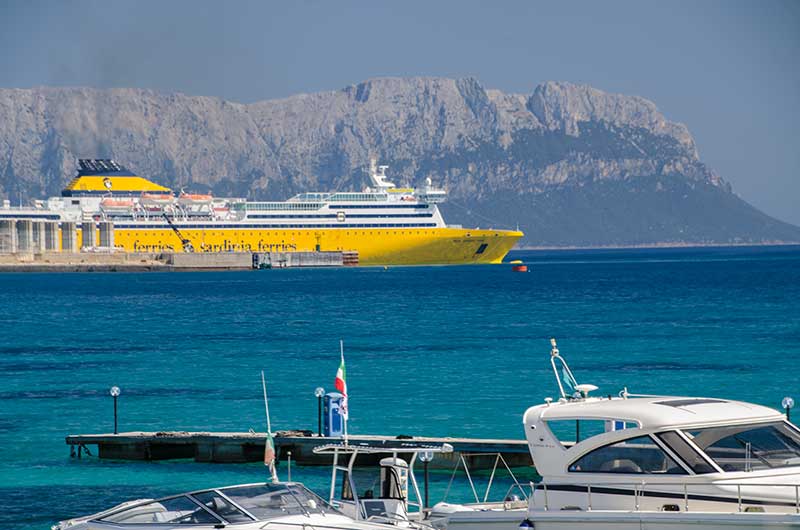
Golfo Aranci is a main arrival point as the Italian Railway ferries from Civitavecchia dock here.

Golfo Aranci is on the Northeast coast of Sardinia. From here there are daily connections to main land Italy. It is known for its beautiful beaches and tourist facilities.

There are stretches of fine white sand in the surrounding area such as Cala Moresca, Cala Greca, Cala Sabina and White Beach - all a few kilometer drive along the road to Olbia.

Alghero

Alghero

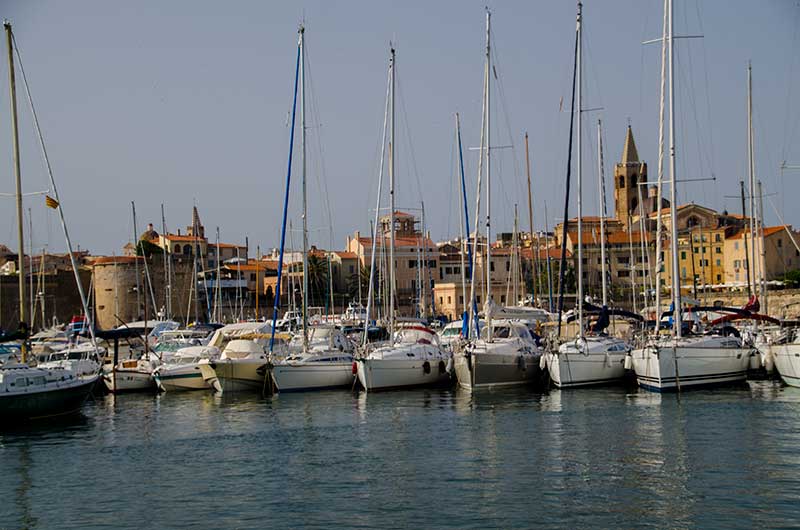
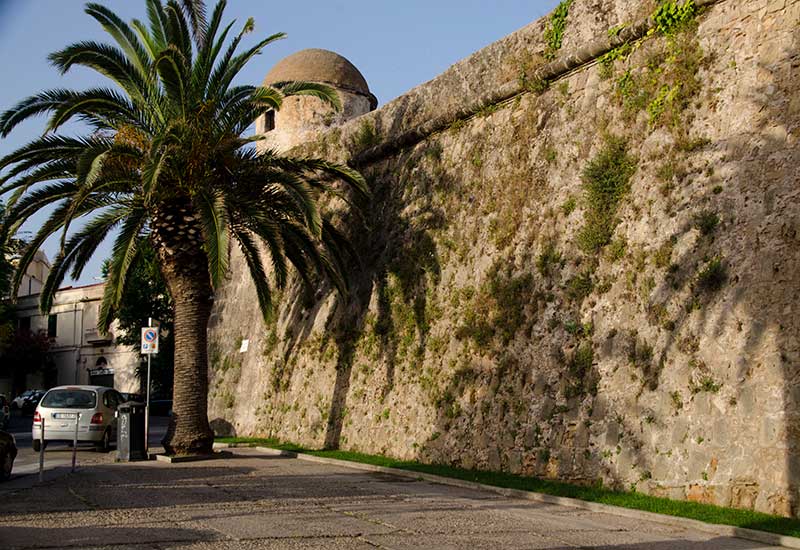
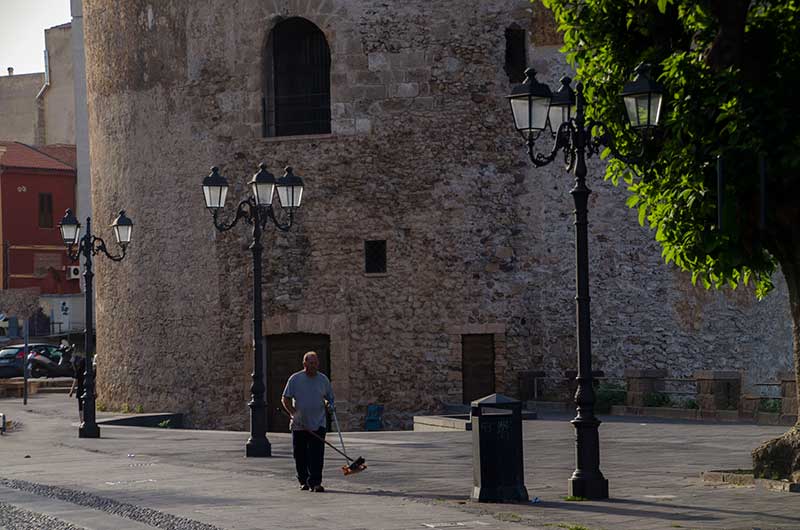
Alghero, located along the northest cost, along the Coral Coast, is noted as being one of the most interesting towns on the island..

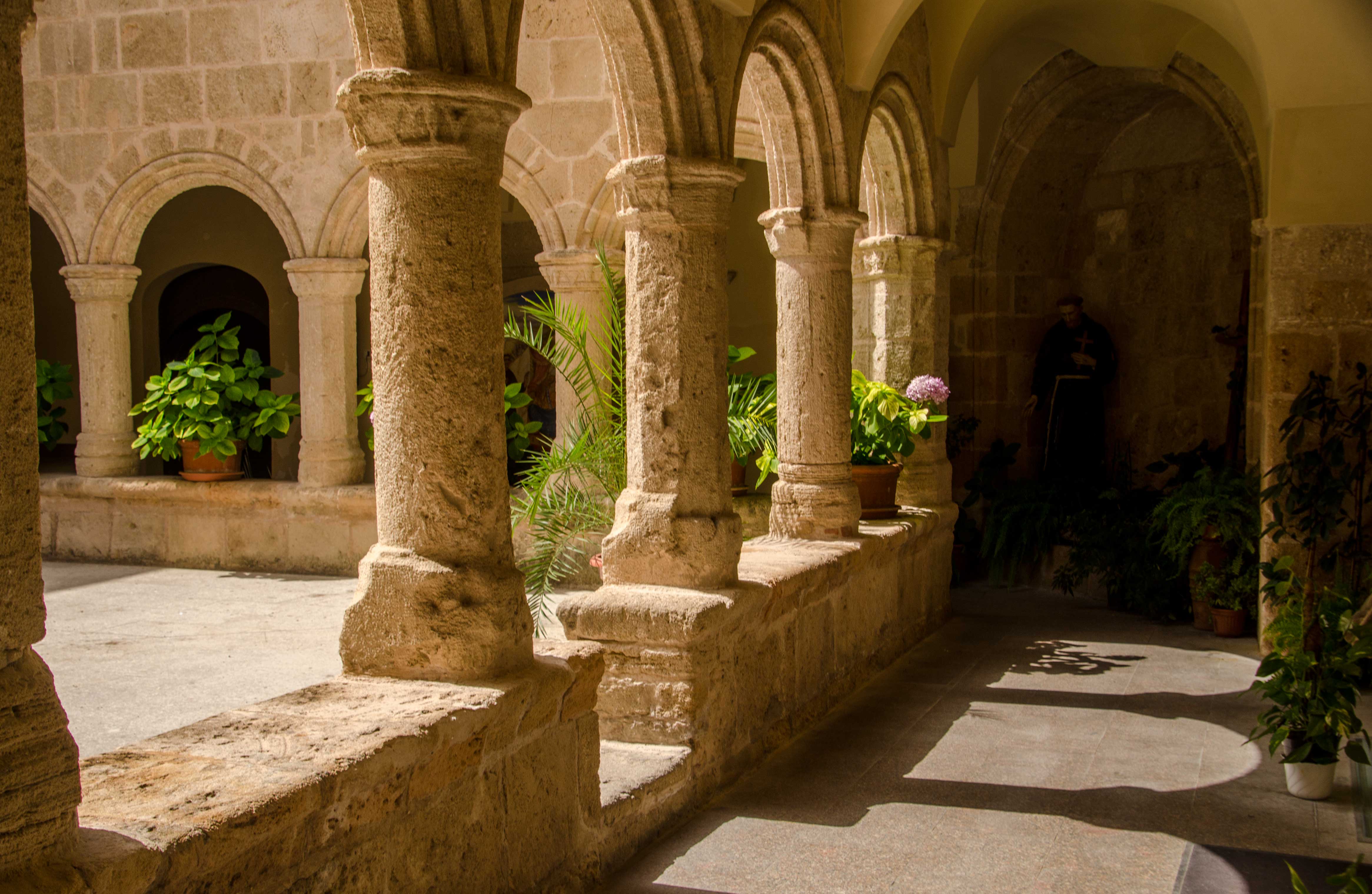
San Fracesco CloistersThe 15th century San Francesco Church is said to have an austere stone facade, but behind that are beautiful cloisters.

Right: Cloisters, San Francesco Church, Alghero

Museo Diocesano d'Arte Sacra holds the cathedral museum with a collection of religious art.

Overlooking the Piazza Duomo is the large Cattedrale di Santa Maria. This is described as a mishmash of Moorish, baroque, Renaissance and other influences. Reviews note the campanile around the back, a fine example of Catalan-Gothic architecture.

On the Piazza Duomo is what is described as the "oversized" Cattedrale di Santa Maria. Looking forward to why the term oversized is used. It is a mixture of Moorish, baroque, Renaissance and other architectural styles. Write-ups note the the campanile at the back.

The Museo Diocesano d’Arte Sacra is located near the cathedral. Described as austere but splendid... it holds ghoulish relics thatincludes skulls of the innocents slaughtered by Herod displayed in ornate cases.

Grotta di Nettuno at Capo CacciaThe Grotta di Nettuno at Capo Caccia is one of the sights that evidently put Alghero on the tourist map. I am told, get ready for blindingly blue colours. Located not too far fromthe town, about 45 minutes by car. From the small car park there is a craggy staircase to the caves, or there is an easier boat ride from Alghero right into the mouth of the grotto. Guided tours of the Grotta di Nettuno lead you through a goblin kingdom of eerie rock formations: boulders ballooning out of the water, dripping stalactites and winding caves.


Oristano

A few hours drive south of Alghero is what is descrtbed as the historic gem of Oristano. Despite his history of being a battle ground, it is today "understated loveliness", with azure waters and pastel-coloured waterfront houses.

The remains of the old city has the Torre di Mariano II in Piazza Roma. The city is know for its bottarga antipasti (cured fish roe) and gnocchi served with spinach, eggs and cream. Hmmm. The local wine, Vernaccia di Oristano, is also noted.

Olbia

Olbia is a modern city and has a magnificent church, the S. Simplicio (11-12C). This town is close to the famous Costa Smeralda.

Porto RotondoNot far is Porto Rotondo, not a real village, but a location created in 1963. Interesting and somewhat over-the-top. So this is going to be the ultimate confirmation of how tourism can ruin things, of a very interesting stop! Anyway, definitely work a short visit while touring the island.

Cannigione

Located about 10 km from Arachena, this town is noted for its old fishing village feel. It is a well-equipped tourist port with a long promenade along the seafront.

Lanusei

Described as have splendid old buildings, wuares and a scenic backdrop.

Sanluri

Haflway between Cagliari and Oristano. There is a well preserved castle of the Marquises of Villasanta.

Sa Spendula, located a km from the centre of Villacido, hundreds of visitors come here to see the spectacular waterfall of the Rio Coxinas.

Cagliari

CagliariLocated on the southern coast, this is the capital of Sardinia. This is the largest city on the island, with a population of about 400,000.

The old city centre, which dates back to previous centuries, has a set of Pisan fortifications (towers).

Shady shopping arcades and trendy dining enclaves are the norm along Via Roma and Largo Carlo Felice, yet the Castello district remains unspoiled and Roman ruins (including an amphitheatre) are dotted throughout the city.

There are great views from the Bastione San Remy. The cathedral, on Piazza Palazzo, is known for its stunning architecture and dates from the 13th Century.

Lonely Planet ranks Chiesa di Sant'Efsio as one of the top sights to see, "...despite its unassuming facade and modest interior". The third-ranked area was the Marina, the waterfront which is said to be the most atmosphere part of town. Expect to see little lanes full of shops, delis and good eateries. The Chiesa di Sant'Eulalia on Piazza Sant'Eulalia is the most interesting of the many churches due to the museum attached to the church.

The Bastione San Remy, once the fortification, now a grassed area offer views across the cities and the lagoons. A Flea market occurs on Sundays.

The Chiesa di Santo Sepolcro has an impressive 17th century gilded wooden altarpiece. On weekends the catacombs below the church are opened. The figure of Death is painted on the ceiling, and there is a room where the city's corpses were once hung to drain.

The Roman Amphitheatre is an outstanding testimony of the Roman domination. This is unique as it is the only Roman amphitheatre carved into a block of rock. The Amphitheatre still stages open-air operas and concerts during the summer.

Cagliari has one of the longest beaches in an Italian town. The Poetto beach stretches for 13 km. and was famous for its white fine-grained sand.


FrescosThe island of La Maddalena is also recommended. It is a marine reserve and unspoilt and not crowded.

There are villages, such as San Sperate which is noted because of its 350 or so murales. Originally they were intended almost as beautiful graffiti and were painted with political intent. Many Sardinians felt oppressed by the Italian government and desired reform. Many of the paintings today still depict relvolutionary ideas and propaganda with writing in Sardinian and Italian.


Sassari

Cathedral in Sassari The original centre of the town of Sassari was once encircled by walls and gates dating back to the XII and XIV century. Today it extends around the Corso Vittorio Emanuele II which traces the route of the medieval Plata de Codinas. This road connects Piazza Castello to the south and Piazza Sant'Antonio to the north, cutting through the quarter with its narrow climbing lanes.

To Right: Cathedral in Sassari

Piazza Sant'Antonio is where the Church of Sant'Antonio Abate is located. It was completed in 1709. Inside is a lavish altar with gilt inlaid wood by Bartolomeo Augusto.